
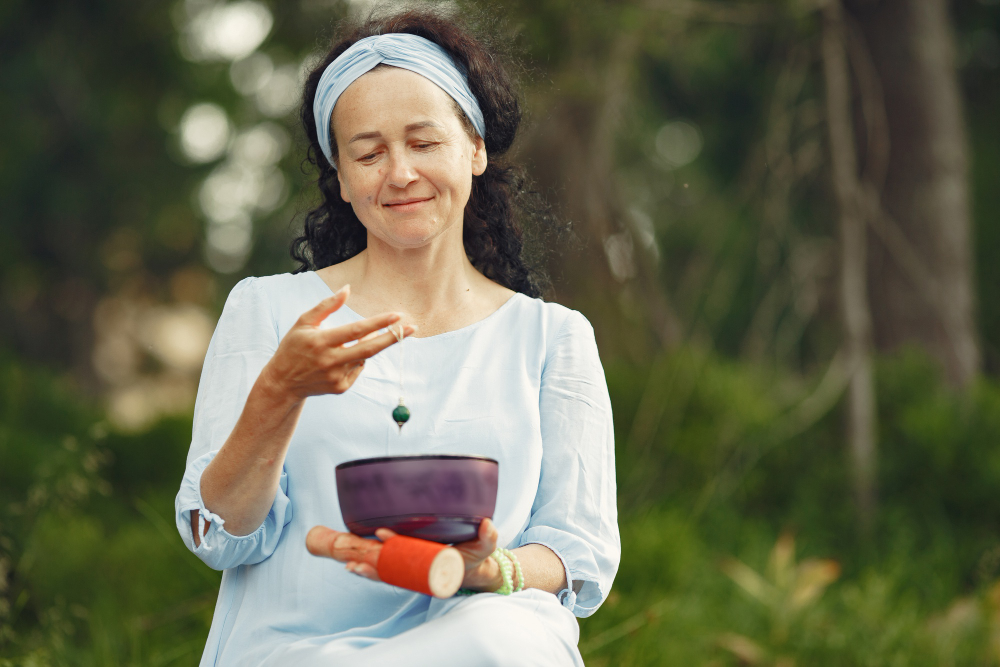
Wellness is no longer viewed as simply the absence of disease. In today’s evolving healthcare landscape, wellness is understood as a dynamic state of balance between the mind, body, and soul. A holistic approach to wellness recognizes that physical health, mental clarity, emotional stability, and spiritual fulfillment are deeply interconnected. When one area is neglected, the others often suffer, leading to chronic illness, burnout, or reduced quality of life.
Holistic wellness moves beyond treating symptoms and instead focuses on addressing root causes. It encourages individuals to take an active role in their health by making lifestyle choices that support long-term wellbeing rather than short-term fixes.
Understanding Holistic Wellness
Holistic wellness is based on the principle that the body functions as an integrated system. Physical symptoms often reflect emotional stress, mental fatigue, or lifestyle imbalances. For example, chronic headaches may be linked to poor sleep, stress, dehydration, or emotional tension rather than a single physical issue.
This approach emphasizes prevention, self-awareness, and balance. Instead of asking, “What disease do I have?” holistic care asks, “What is my body trying to communicate?”
The core components of holistic wellness include:
- Physical health
- Mental and emotional wellbeing
- Social connection
- Spiritual health
- Environmental balance
Each component contributes to overall health and must be nurtured consistently.
Physical Wellness: The Foundation of Health
Physical wellness is often the most visible aspect of health. It includes regular exercise, balanced nutrition, adequate sleep, and routine medical care. However, holistic wellness reframes physical health as a supportive foundation rather than the sole focus.
Movement is essential for maintaining strength, flexibility, and cardiovascular health. Activities such as walking, yoga, swimming, and strength training not only improve physical fitness but also reduce stress and enhance mood.
Nutrition plays an equally vital role. A diet rich in whole foods, fruits, vegetables, lean proteins, and healthy fats supports energy levels, immune function, and mental clarity. Hydration and mindful eating further strengthen the body’s natural healing abilities.
Sleep is often overlooked, yet it is one of the most powerful tools for recovery. Quality sleep allows the body to repair tissues, regulate hormones, and process emotional experiences.
Mental and Emotional Wellbeing
Mental wellness influences how we think, feel, and respond to life’s challenges. Chronic stress, anxiety, and emotional suppression can weaken the immune system and increase the risk of conditions such as heart disease, depression, and digestive disorders.
Holistic wellness encourages emotional awareness and healthy coping strategies. Practices such as meditation, journaling, therapy, and mindfulness help individuals process emotions rather than internalize them.
Building emotional resilience involves recognizing stress triggers and learning how to respond rather than react. Simple habits such as deep breathing, gratitude practices, and setting healthy boundaries can significantly improve mental wellbeing over time.
The Mind-Body Connection
Scientific research increasingly supports the mind-body connection. Thoughts and emotions directly influence physical processes such as inflammation, digestion, and immune response. Negative thinking patterns and prolonged stress can manifest as physical symptoms, while positive mental states can promote healing.
Mind-body practices like yoga, tai chi, breathwork, and guided visualization bridge physical movement with mental focus. These practices help regulate the nervous system, reduce cortisol levels, and improve overall balance.
When the mind is calm, the body functions more efficiently.
Spiritual Wellness and Purpose
Spiritual wellness does not necessarily involve religion. It refers to a sense of purpose, meaning, and connection to something greater than oneself. This may include personal values, nature, creativity, faith, or service to others.
People with a strong sense of purpose often experience greater resilience during illness or hardship. Spiritual practices such as meditation, prayer, time in nature, or reflective silence can foster inner peace and clarity.
When individuals align their actions with their values, they often experience improved emotional and physical health.
Social Connections and Community
Human connection is a powerful determinant of wellbeing. Strong social relationships reduce the risk of mental health disorders, improve immune function, and increase longevity.
Holistic wellness recognizes the importance of meaningful relationships, supportive communities, and healthy communication. Social isolation, on the other hand, has been linked to increased stress, depression, and chronic illness.
Prioritizing time with loved ones, engaging in community activities, and seeking support during difficult times are essential components of holistic health.
Integrating Holistic Wellness into Daily Life
Adopting a holistic approach does not require drastic changes. Small, consistent habits can create lasting impact. This may include:
- Starting the day with mindful breathing
- Choosing nourishing foods most of the time
- Moving the body daily
- Limiting screen time and prioritizing sleep
- Checking in with emotions regularly
Holistic wellness is not about perfection but about awareness and balance.