
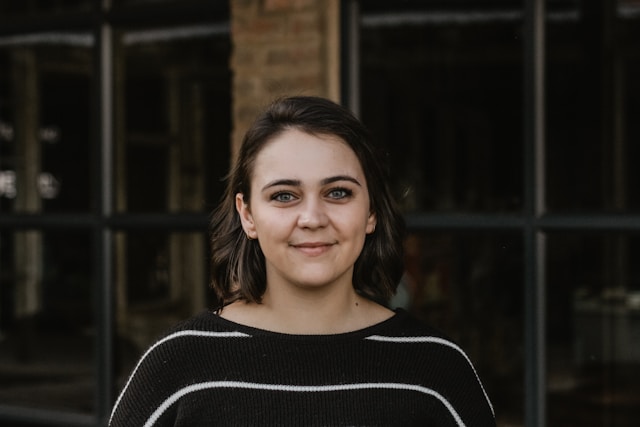
For Sofia Malik, wellness was never a lifestyle choice. It was a necessity born from illness, uncertainty, and a deep rupture of trust with her own body.
In her early twenties, Sofia was ambitious, academically driven, and constantly on the move. Fatigue was normal, digestive discomfort was ignored, and stress was worn like a badge of honor. When her hair began thinning and her joints ached inexplicably, she dismissed it as pressure catching up with her.
The diagnosis — Hashimoto’s thyroiditis — arrived abruptly. Autoimmune. Chronic. Lifelong. “I remember staring at the doctor and feeling like my body had betrayed me,” she says. Medication was prescribed, symptoms explained, and the conversation ended quickly. There was little discussion of why her immune system had turned inward, or how lifestyle might influence the trajectory of the disease.
“I left with answers,” Sofia reflects, “but no sense of agency.”
Living with autoimmune illness forced her to slow down, something she initially resisted. Flare-ups disrupted her work and social life. Food became confusing — demonized one day, prescribed the next. Wellness advice felt contradictory and often punitive.
Her turning point came not through restriction, but curiosity. Sofia began studying nutritional biochemistry, gut microbiome research, and functional medicine frameworks. She learned that a significant portion of immune function is regulated in the gut, influenced by stress, sleep, nutrient absorption, and inflammation.
“What shocked me,” she says, “was how disconnected conventional conversations about food were from compassion.”
Rather than chasing perfection, Sofia focused on nourishment. She experimented slowly, tracking how foods made her feel rather than following rigid plans. Healing was gradual, uneven, and deeply educational. Over time, her symptoms stabilized. Energy returned. Her relationship with food softened.
This lived experience became the foundation of NourishWithin, her gut-health–centered nutrition practice. Sofia works primarily with individuals managing autoimmune conditions, hormonal imbalances, and chronic digestive issues. Her philosophy rejects punishment-based diet culture in favor of sustainability and self-trust.
“Food is information,” she explains. “Not a moral test.”
A NourishWithin consultation explores far more than meal plans. Clients are asked about stress load, sleep quality, emotional safety, and history with dieting. Sofia believes many bodies are inflamed not only by food, but by years of restriction and shame.
She encourages clients to rebuild interoceptive awareness — the ability to sense internal cues like hunger, fullness, and fatigue. “Healing happens when the body feels listened to,” she says.
Sofia is candid about the ongoing nature of autoimmune care. She does not promise cures. Instead, she frames wellness as relationship-building. “My condition taught me humility,” she reflects. “I can’t dominate my body. I have to collaborate with it.”
Her own daily rituals are intentionally simple: consistent meals, gentle movement, stress regulation, and adequate rest. She avoids wellness extremes, wary of systems that demand constant vigilance.
Beyond one-on-one work, Sofia educates through writing and workshops, challenging misinformation and fear-based narratives around food. She advocates for inclusivity in wellness spaces, emphasizing that healing does not require privilege or perfection.
“Your body isn’t broken,” she says. “It’s responding intelligently to what it’s been given.”
For Sofia Malik, wellbeing is no longer about control. It is about reconciliation — learning to trust a body that once felt like an adversary, and helping others do the same.