
Dr. Sola Togun-Butler, Founder, CEO, Psychotherapist & Coach, Butterfly Counseling Services
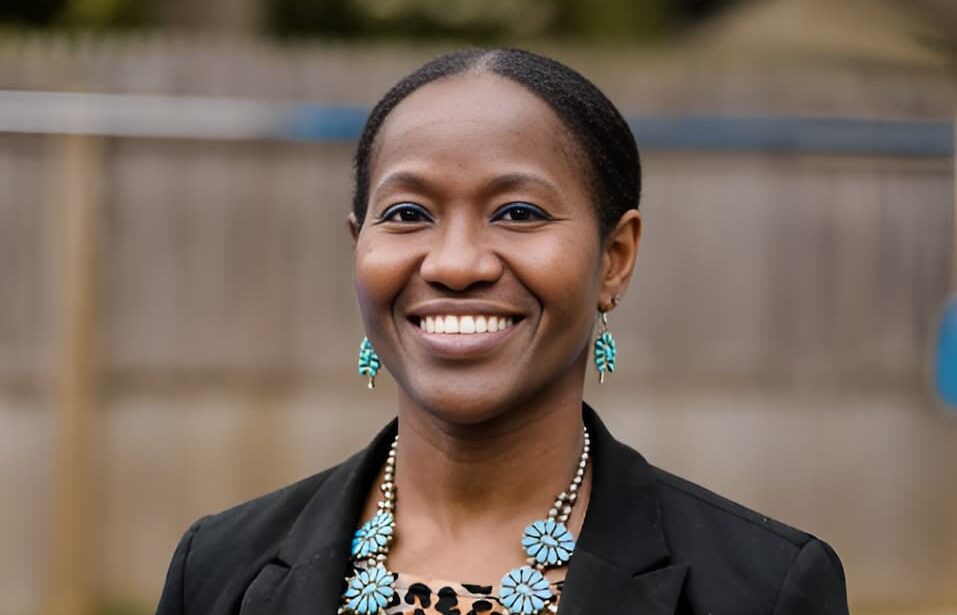
“Culturally responsive therapy strengthens the therapeutic relationship by ensuring that clients feel seen, respected, and understood within the context of their cultural background.”
–Dr. Sola Togun-Butler
In a world where conversations around mental wellbeing are finally gaining visibility, one truth continues to stand out: healing is not universal in its approach, but it is universal in its need. Across cultures, communities, and lived experiences, mental health cannot be separated from identity, environment, and belonging. This is where leaders like Dr. Sola Togun-Butler are reshaping the narrative.Raised in Nigeria in a household rooted in service, Dr. Togun-Butler’s early exposure to healthcare was not defined by systems, but by compassion. Her father, a psychiatrist, openly addressed mental health in a society where stigma often silenced such conversations. Her mother practiced medicine with dignity and empathy, treating patients regardless of their ability to pay. These values became the foundation of a lifelong mission.
Her journey took a transformative turn when she moved to the United States at a young age. What seemed like an opportunity quickly revealed deeper challenges tied to identity, belonging, and cultural perception. Navigating life between two cultures brought a sense of in-betweenness that many individuals from diverse backgrounds experience but rarely articulate.
As she reflects,
“Identity is never one-dimensional; as human beings, we are multifaceted, and every aspect of our lived experience contributes to how we understand ourselves.”
This understanding became central to her work. It shaped her belief that mental wellbeing cannot be addressed without acknowledging the cultural, social, and emotional layers that define a person’s experience.
Over the past two decades, Dr. Togun-Butler has built a career focused on bridging gaps within mental health systems. Through her work as a psychotherapist, speaker, and founder of Butterfly Counseling Services, she has consistently emphasized the importance of culturally responsive care. Her approach goes beyond traditional therapy models, focusing on creating environments where individuals feel seen, understood, and respected.
One of the key challenges she identified early in her career was the disconnect many individuals felt within the mental health system. For many, therapy was not just inaccessible financially, but also emotionally distant due to a lack of cultural understanding. Clients often left feeling unheard, misunderstood, or judged.
Recognizing this, she established Butterfly Counseling Services with a clear purpose: to make mental health care both accessible and culturally attuned. By offering flexible financial options and integrating culturally responsive therapy into practice, she created a model that prioritizes both excellence and inclusivity.
Her work reinforces a critical shift in how mental wellbeing is understood. Mental health is not simply the absence of illness; it is the presence of balance, awareness, and support. It is shaped by our environments, our relationships, and the systems we navigate daily.
This perspective becomes even more relevant in today’s world, where burnout, emotional fatigue, and stress have become common experiences. Particularly for women and individuals from underrepresented communities, these challenges are often layered with societal expectations and systemic pressures.
Dr. Togun-Butler addresses these realities directly, emphasizing that wellbeing begins with awareness and intentional care. Rather than viewing emotions as weaknesses, she encourages individuals to understand them as signals that guide us toward what we need.
Her work in burnout prevention highlights a powerful shift from reaction to intention. By helping individuals recognize early signs of stress, set boundaries, and prioritize self-care, she empowers them to move from survival to sustainable balance.
“Culturally responsive therapy strengthens the therapeutic relationship by ensuring that clients feel seen, respected, and understood within the context of their cultural background.”
Beyond her clinical work, her global engagements have further shaped her perspective. Working across countries and cultures, she has observed both the universality of human emotion and the diversity in how it is expressed. While the need for support is shared globally, the pathways to healing are deeply influenced by cultural beliefs, community structures, and societal norms.
This global lens has reinforced the importance of adaptability in mental health care. It is not enough to apply one model across all populations. True impact lies in listening, learning, and tailoring approaches that respect individual and collective experiences.
Her work also extends into education, where she is actively shaping the next generation of mental health professionals. She emphasizes that technical knowledge alone is not sufficient. Practitioners must develop cultural awareness, emotional intelligence, and a commitment to ongoing learning.
At its core, her approach is about humanizing mental health. It is about creating spaces where individuals feel safe to express, reflect, and grow without fear of judgment.
As mental wellbeing continues to evolve as a global priority, voices like Dr. Togun-Butler’s play a crucial role in guiding the conversation forward. Her work challenges traditional systems while offering practical, inclusive solutions that make care more accessible and meaningful.
Her vision is clear: a world where mental health is normalized, support is accessible, and every individual feels empowered to seek help without stigma.