
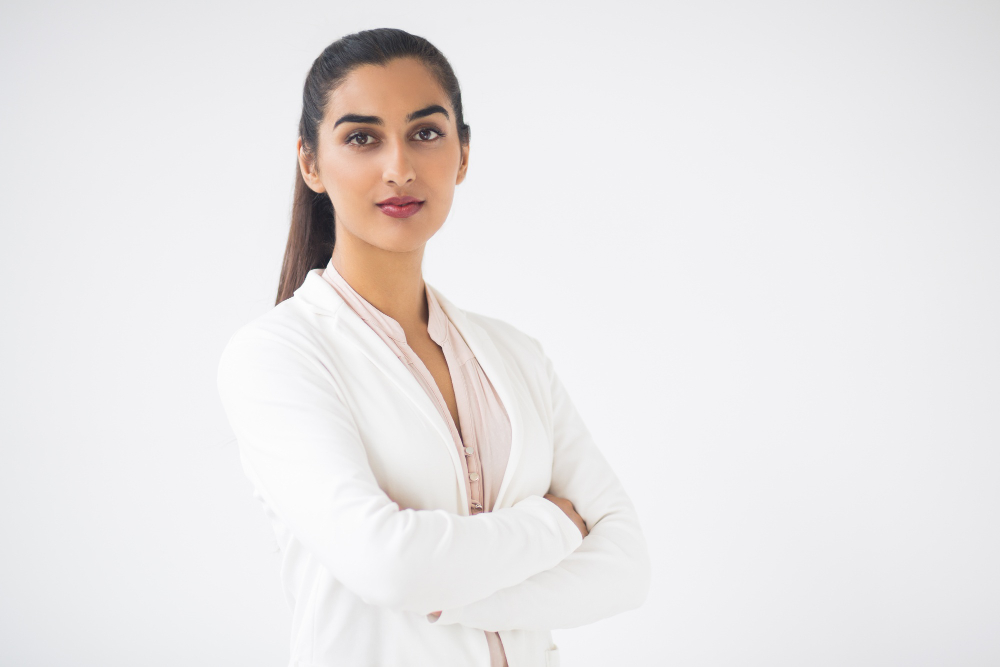
On paper, Dr. Ananya Rao was the kind of doctor every healthcare system celebrates. Trained in internal medicine, impeccably credentialed, and relentlessly driven, she thrived in high-pressure hospital environments where speed and certainty were prized above all else. Yet beneath the crisp white coat and professional composure, her own body was quietly unraveling.
“I thought exhaustion was a badge of honor,” Dr. Rao says. “In medicine, if you weren’t tired, you weren’t trying hard enough.”
Her days once began before sunrise and ended long after nightfall, stitched together by caffeine, adrenaline, and an unspoken expectation of self-sacrifice. Patients were stabilized, diagnoses made, lives saved — but there was no space to ask how the healer herself was coping. Over time, the symptoms accumulated: hormonal imbalance, digestive distress, insomnia, anxiety, and a persistent numbness she could not medically explain.
The breaking point arrived unceremoniously. During routine hospital rounds, Dr. Rao collapsed. The diagnosis that followed was not dramatic — severe burnout, adrenal dysfunction, chronic inflammation — but the implications were life-altering. “For the first time,” she reflects, “I was forced to listen to the body I had been ignoring for years.”
Recovery required stepping away from the very identity she had built. Traditional treatment protocols offered symptom management, but little insight into why her system had failed so completely. Searching for answers, she began exploring disciplines she had once considered peripheral: functional medicine, Ayurveda, nutritional therapy, mindfulness, and nervous system regulation.
What emerged was not a rejection of conventional medicine, but an expansion of it.
“Western medicine is brilliant in crisis,” she explains. “But wellness lives in prevention, patterns, and the subtle signals we often dismiss.”
This philosophy became the foundation of PranaWell Integrative Health, the practice Dr. Rao founded after returning to work — this time on her own terms. PranaWell treats patients struggling with chronic stress, autoimmune disorders, metabolic dysfunction, and hormonal imbalance, conditions she believes are deeply intertwined with lifestyle, emotional load, and environmental stressors.
A typical consultation at PranaWell looks very different from the rushed appointments Dr. Rao once conducted. Patients are asked about sleep, relationships, work pressure, emotional safety, and purpose — questions rarely prioritized in mainstream healthcare. “Symptoms are messengers,” she says. “If we only silence them, we miss the story they’re trying to tell.”
Dr. Rao’s own daily life now reflects the balance she once neglected. Mornings begin with breathwork and sunlight exposure, followed by unhurried meals and intentional pauses between consultations. She has learned to honor circadian rhythms, boundaries, and rest — practices she now prescribes as seriously as medication.
“Rest is not indulgence,” she emphasizes. “It’s a biological requirement.”
Her message resonates strongly with women, particularly those juggling professional ambition with invisible emotional labor. Dr. Rao speaks candidly about how societal expectations normalize depletion. “We praise resilience but ignore recovery,” she notes. “Especially in women’s bodies, that imbalance eventually manifests as illness.”
Beyond her clinic, Dr. Rao is an outspoken advocate for systemic change in healthcare. She conducts workshops for medical professionals on burnout prevention and integrative care, challenging the culture of martyrdom within the industry. Her goal is not to dismantle modern medicine, but to humanize it.
“Wellbeing isn’t soft science,” she says firmly. “It’s applied physiology, psychology, and compassion.”
Today, Dr. Ananya Rao defines success differently. It is no longer measured by hours worked or titles earned, but by sustainability — for herself and her patients. Her journey from burnout to balance has become a living case study in what happens when healing extends beyond symptoms to the whole person.
“Healing,” she reflects, “begins the moment we stop overriding ourselves.”