
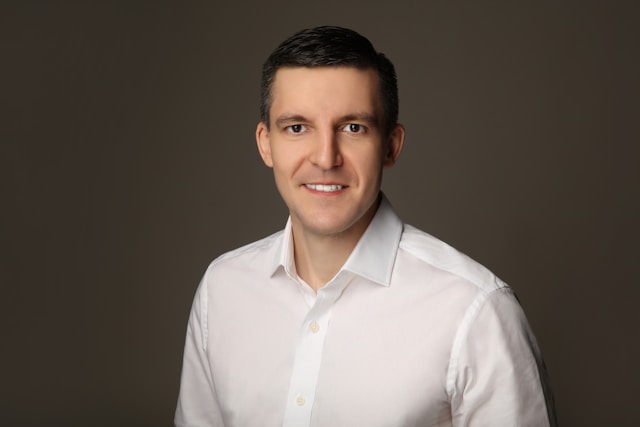
David Osei’s earliest memories are shaped by breath — or the lack of it. As a child, he lived with severe asthma, an experience that made his own body feel unpredictable and, at times, frightening. “When you can’t breathe, nothing else matters,” he says. Nights were often interrupted by wheezing, emergency inhalers, and anxious watchfulness.
Those early years etched a deep sensitivity into David’s nervous system. Even as his asthma improved in adolescence, the vigilance remained. He became highly attuned to stress, quick to tense, and prone to anxiety without understanding its origin. “My body had learned danger,” he reflects, “even when there wasn’t any.”
In his twenties, working in a demanding corporate role, those patterns intensified. Long hours, constant pressure, and little emotional processing left him chronically exhausted. Panic attacks emerged suddenly, often mimicking asthma symptoms and sending him spiraling into fear. Medical tests offered reassurance, but little relief.
His turning point came through an unexpected introduction to conscious breathwork. Initially skeptical, David attended a small session recommended by a therapist. “I didn’t think breathing could change anything,” he admits. “I was already doing it all day.”
What he experienced challenged that assumption. Guided breathing patterns brought sensations to the surface — tension, emotion, and eventually release. For the first time, David felt agency over his internal state. “I realized breath wasn’t just survival,” he says. “It was communication between the body and mind.”
He began studying breath physiology, nervous system regulation, and ancient pranayama techniques, integrating them with modern psychological frameworks. Breathwork became not an escape, but a tool for presence. Over time, anxiety episodes decreased, and his relationship with stress transformed.
This personal healing journey gave rise to BreatheFree Collective, a platform offering individual sessions, group workshops, and corporate programs focused on accessible breath-based regulation. David’s approach is grounded, science-informed, and culturally inclusive. “Breath belongs to everyone,” he emphasizes. “It doesn’t require belief — just willingness.”
Sessions at BreatheFree are intentionally paced and trauma-aware. David avoids extreme techniques, focusing instead on safety, gradual expansion, and choice. Participants are encouraged to notice rather than force change. “The nervous system responds to kindness,” he says.
David also speaks openly about emotional suppression, particularly among men and marginalized communities. He views breathwork as a non-verbal entry point into emotional awareness. “Sometimes words are a barrier,” he explains. “Breath bypasses that.”
In his own life, David maintains daily regulation practices: morning breathing, regular movement, and intentional rest. He prioritizes sleep and minimizes overstimulation, understanding firsthand the cost of chronic activation.
Beyond facilitation, David collaborates with therapists, educators, and wellness practitioners to integrate breathwork into broader mental health frameworks. He advocates for preventative care that addresses stress before it manifests as illness.
“Breath is the fastest lever we have,” he reflects. “It reminds the body that it’s safe to be here.”