WHEN ACCESS BECOMES PERSONAL
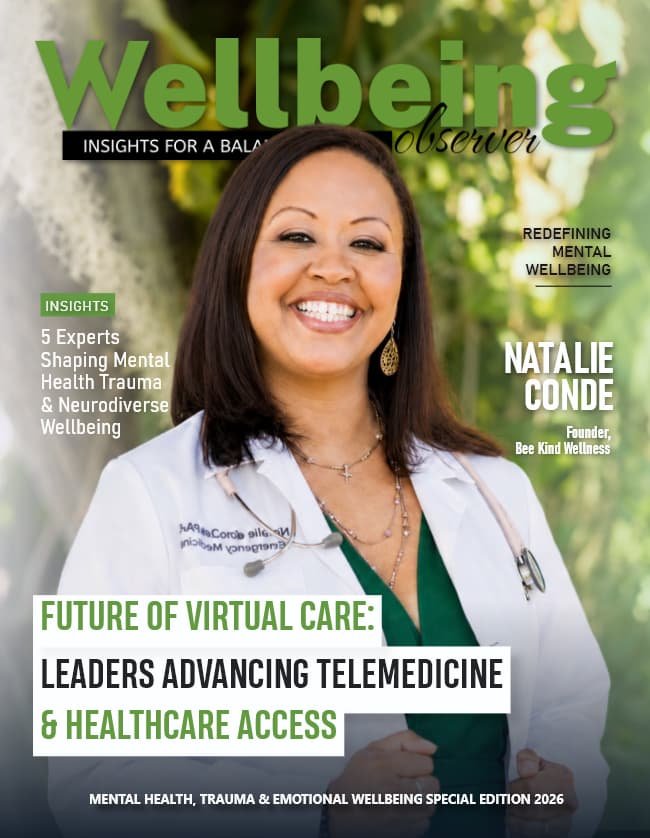
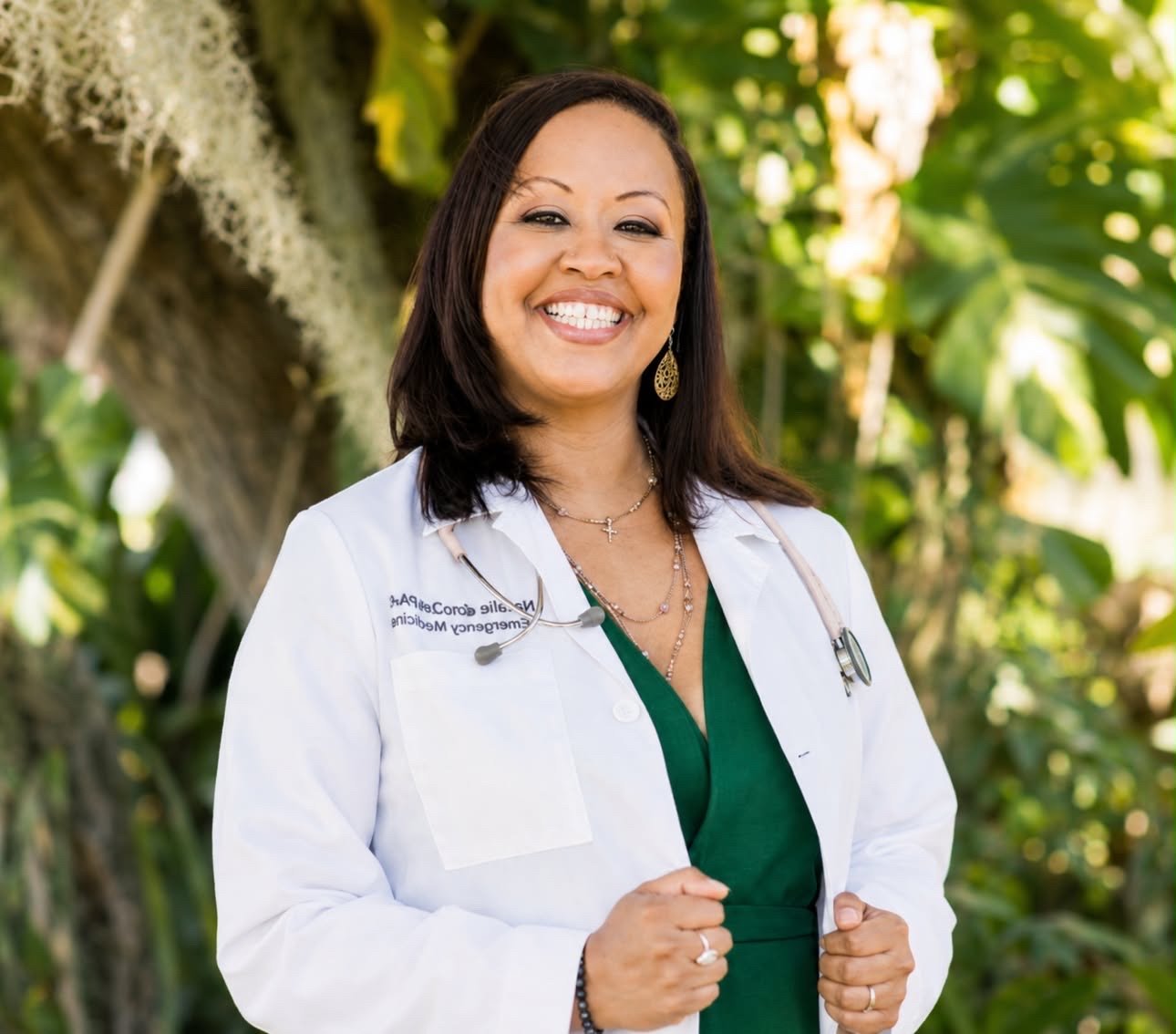
For many healthcare leaders, telemedicine is a strategic initiative. For Natalie Conde, it became a conviction forged in grief.
During the COVID-19 pandemic, Conde lost close family members who were afraid to seek emergency care amid the uncertainty surrounding the virus. The question that followed her out of that loss has never fully left: could earlier virtual access to a healthcare provider have provided the reassurance, the guidance, or the clarity that might have changed their decisions? There is no certain answer. But the question reshaped how she thought about her work, her purpose, and the gaps in a healthcare system that still leaves too many people without timely access to care.
“I do not believe telemedicine replaces in-person care,” she says. “Rather, it expands the opportunity to access care.” That distinction, expansion rather than substitution, is the philosophical foundation on which she has built everything since.
SEVENTEEN YEARS, ONE THROUGH LINE
Conde’s path to founding Bee Kind Wellness spans nearly two decades and multiple disciplines: emergency medicine, urgent care, obesity medicine, and virtual primary care. As a board-certified Physician Assistant, she built her clinical foundation in high-acuity settings where the cost of a missed connection between patient and care is immediately and visibly felt. That background gave her something most technology-forward healthcare innovators lack: an unshakeable sense of what is actually at stake when a patient cannot get through the door.
Her transition into telemedicine leadership was not a departure from clinical work. It was an extension of it, driven by recognition that the gaps she witnessed in direct patient care, transportation barriers, limited mobility, rural distance, working family constraints, could be meaningfully addressed by virtual care when implemented with genuine thoughtfulness. “Using innovation to meet patients where they are,” she describes it, “and help connect them to the right care at the right time.”
DESIGNING FOR THE PATIENT, NOT THE PLATFORM
One of the most important lessons Conde carries from scaling telemedicine across large healthcare networks is that successful virtual care must be designed around the patient rather than the technology. That sounds obvious. In practice, it is where many programs fail.
Digital and health literacy sit at the center of that challenge. If a patient struggles to download an application, navigate a platform, or understand the instructions provided, virtual access exists only in theory. The technology may be sophisticated, but the care remains out of reach. Conde addressed this by building simple workflows, clear communication pathways, and robust patient support structures, particularly for rural and underserved communities where the gap between theoretical and actual access is often widest.
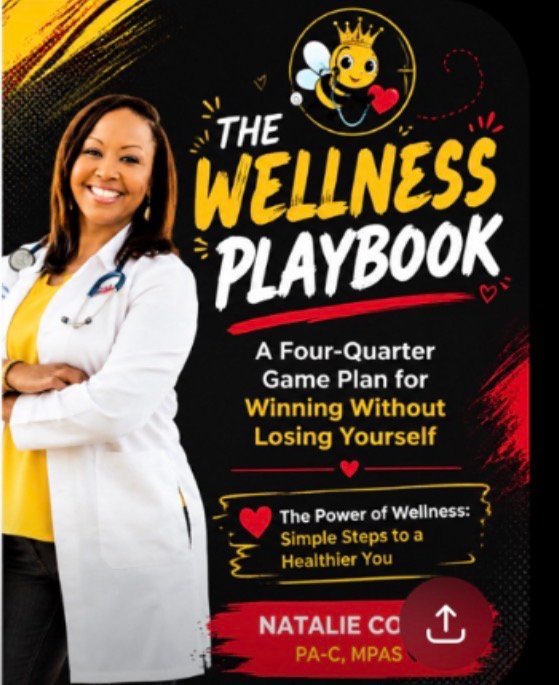
Where Wellness Starts with Knowledge and Grows Through Community: The Vision Behind Bee Kind Wellness
She also learned, through her work across North Carolina and South Carolina, how consequential regulatory variation can be. State-specific requirements evolve rapidly, and telemedicine programs that fail to keep pace with those changes face compliance exposure that can undermine the entire operation. Balancing accessibility, regulatory compliance, operational efficiency, and clinical quality simultaneously is the actual work of scaling virtual care.
BEDSIDE MANNER DOES NOT DISAPPEAR ONLINE
On clinical excellence in a virtual environment, Conde is direct: bedside manner must extend into the digital space. Providers should maintain eye contact, listen actively, communicate clearly, and conduct visits from professional, HIPAA-compliant environments. Patients should feel they are receiving the same quality of attention and respect they would receive in person, because they are owed exactly that regardless of the medium.
Operationally, she monitored patient volume and wait times continuously to ensure timeliness without compromising quality, and maintained clear clinical protocols for the critical distinction every virtual care program must navigate: when a patient can safely be managed remotely, and when escalation or in-person referral is necessary. That boundary, maintained with discipline and clinical judgment, is what separates responsible telemedicine from the version that creates harm in the name of convenience.
Collaboration runs through her approach to all of it. Monthly and quarterly team meetings provided structured space for clinicians to surface workflow challenges, share feedback, and contribute to continuous improvement. “The people doing the work provide invaluable insight,” she says. “Creating opportunities for their input allows us to continually refine training, workflows, and ultimately the patient experience.”
THE TECHNOLOGY HORIZON
Looking ahead, Conde identifies remote patient monitoring and connected diagnostic technology as among the most significant forces shaping the future of virtual care. The evolution from a conversation through a screen to a comprehensive clinical encounter, where patients transmit blood pressure readings, heart rate, oxygen saturation, and other real-time data directly to their healthcare teams, changes what is possible at a fundamental level.
These capabilities carry particular promise for chronic disease management, where the ability to identify changes earlier, before a condition deteriorates into crisis, can dramatically alter trajectories for patients who would otherwise have limited access to monitoring and follow-up.
Further out, she points to robotics and telesurgery as evidence of how rapidly the boundaries of remote healthcare are moving. Not as replacements for in-person care, but as expansions of what expertise can reach, and where.
On artificial intelligence, her perspective is balanced and grounded in clinical reality. AI can support clinical decision-making, improve documentation, identify trends in patient data, and flag patients who may require earlier intervention. Combined with remote monitoring, it enables a shift from reactive to proactive care. But it must support rather than supplant the clinician-patient relationship, and it must be implemented with genuine attention to privacy, accuracy, and the potential for bias that follows any technology built on imperfect human data.
BEE KIND WELLNESS: WHERE CARE MEETS COMMUNITY
Bee Kind Wellness, the virtual healthcare and wellness platform Conde founded, is the fullest expression of the philosophy she has been building toward throughout her career. Its mission is straightforward: where wellness starts with knowledge and grows through community. Be kind to your mind, your body, and your spirit.
The platform provides virtual healthcare services and educational content designed to make health information genuinely accessible, not just technically available. It takes a multidisciplinary approach, bringing together master trainers, fitness professionals, nutrition experts, and mental health referral resources to address wellness as the integrated whole it actually is. Beyond direct patient care, Conde provides consulting for individuals and organizations seeking to develop, scale, or strengthen telemedicine platforms and medical operations, sharing hard-won knowledge that took years of frontline experience to accumulate.
Bee Kind Wellness is, in essence, the answer to the question that has driven Conde’s career: how do we bring the right care to more people, in more places, at the moment they need it?
LEADING WITH PURPOSE
To emerging healthcare leaders, Conde’s advice is as much a philosophy as a prescription. Stay curious. Stay adaptable. Question why healthcare must always be delivered the way it has always been delivered. Innovation begins with recognizing a gap and asking how to close it.
But never lose sight of the patient in that process. “Technology may change how we deliver healthcare,” she says, “but compassion, communication, and clinical excellence must remain at the center of what we do.” Innovation that is driven by what is available rather than what genuinely improves access and outcomes is not progress. It is distraction.
Lead with purpose. Listen to the people doing the work. And build toward a future where virtual and in-person care complement each other in service of something more important than either alone: healthcare that is truly accessible, connected, and human.
Natalie Conde has been building toward that future for seventeen years. With Bee Kind Wellness, she is doing it on her own terms.